
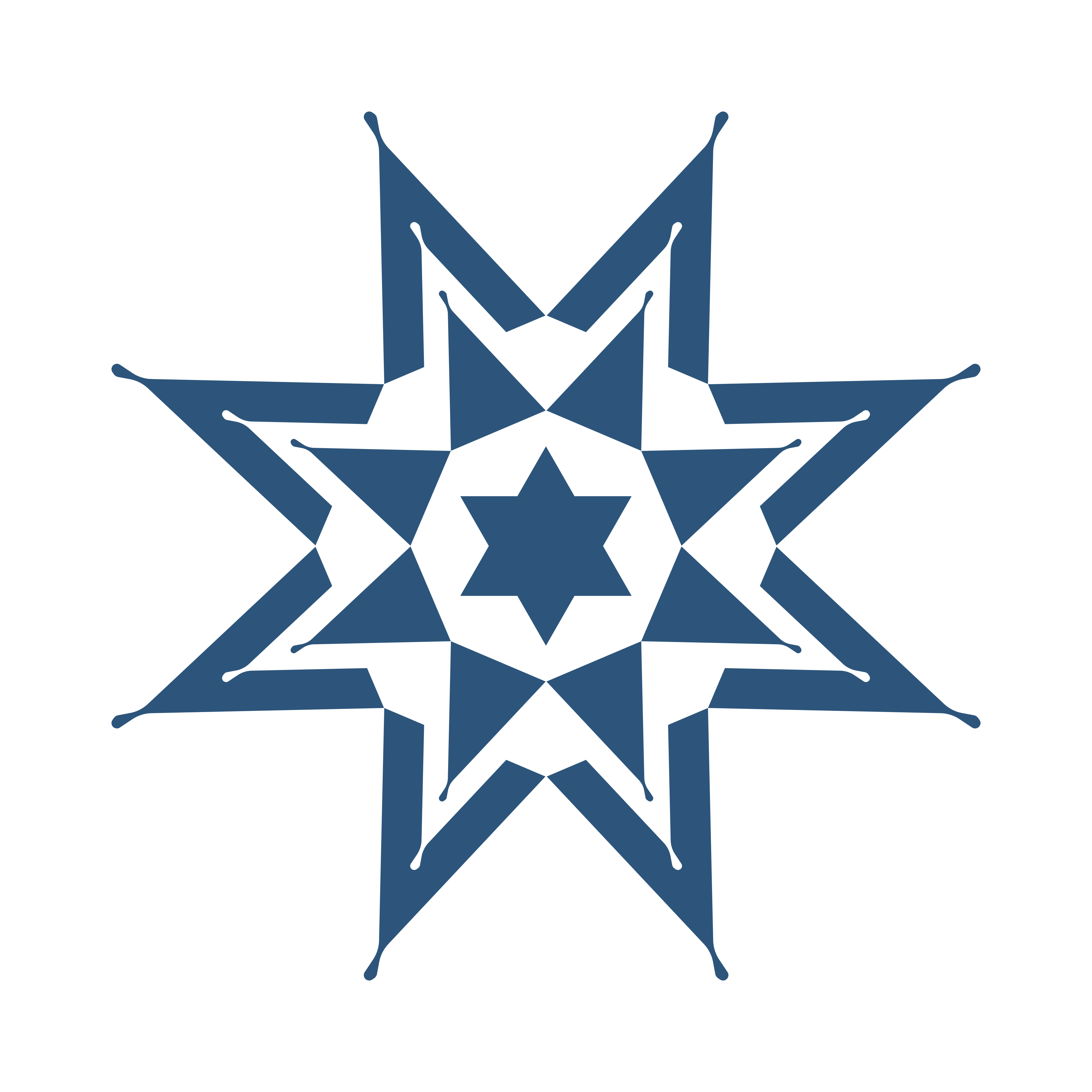
About the Logo/Mark
The mark I use in my personal branding is a compass built from Near Eastern star geometry. The outer eight-point star is the frame: orientation in every direction, continuity, and the discipline of staying on course. It’s a quiet nod to older Mesopotamian astral emblems meant to place you inside a larger order.
The interlocking six-point center is the anchor. It draws opposites into one stable form, a clear point of reference. It points above and below, and once that axis is set, it runs across the two horizons.
This geometry is how I see. The outer star is the macro view, the map. The inner star is the micro view, the structure. It holds time like it holds space, past, present, and future aligned around a fixed center.
Because this kind of star geometry is part of a shared regional visual language, it can resemble motifs people associate with Jewish and Islamic contexts. The six-point center can recall the Star of David, and the eight-point frame can recall the Rub el Hizb and Islamic geometric patterning. That resemblance is purely formal. This mark isn’t a signal of affiliation or politics. It’s simply a personal, a compass for direction, continuity, and a clear view across scale and time.
So when you look at it, think of three times at once: past, present, and future. As above, so below, and so across the two horizons.
Murathan Biliktu - Independent Analyst
©All Rights Reserved
About the Logo/Mark
The mark I use in my personal branding is a compass built from Near Eastern star geometry. The outer eight-point star is the frame: orientation in every direction, continuity, and the discipline of staying on course. It’s a quiet nod to older Mesopotamian astral emblems meant to place you inside a larger order.
The interlocking six-point center is the anchor. It draws opposites into one stable form, a clear point of reference. It points above and below, and once that axis is set, it runs across the two horizons.
This geometry is how I see. The outer star is the macro view, the map. The inner star is the micro view, the structure. It holds time like it holds space, past, present, and future aligned around a fixed center.
Because this kind of star geometry is part of a shared regional visual language, it can resemble motifs people associate with Jewish and Islamic contexts. The six-point center can recall the Star of David, and the eight-point frame can recall the Rub el Hizb and Islamic geometric patterning. That resemblance is purely formal. This mark isn’t a signal of affiliation or politics. It’s simply a personal, a compass for direction, continuity, and a clear view across scale and time.
So when you look at it, think of three times at once: past, present, and future. As above, so below, and so across the two horizons.
Murathan Biliktu - Independent Analyst
©All Rights Reserved
Murathan Biliktu is an independent analyst writing on how geography, logistics, institutions, and human behavior shape power and outcomes over time. He works in Senior Design Operations and holds a master’s in Inclusive Design.
Based in Toronto.🦝
About the Logo/Mark
The mark I use in my personal branding is a compass built from Near Eastern star geometry. The outer eight-point star is the frame: orientation in every direction, continuity, and the discipline of staying on course. It’s a quiet nod to older Mesopotamian astral emblems meant to place you inside a larger order.
The interlocking six-point center is the anchor. It draws opposites into one stable form, a clear point of reference. It points above and below, and once that axis is set, it runs across the two horizons.
This geometry is how I see. The outer star is the macro view, the map. The inner star is the micro view, the structure. It holds time like it holds space, past, present, and future aligned around a fixed center.
Because this kind of star geometry is part of a shared regional visual language, it can resemble motifs people associate with Jewish and Islamic contexts. The six-point center can recall the Star of David, and the eight-point frame can recall the Rub el Hizb and Islamic geometric patterning. That resemblance is purely formal. This mark isn’t a signal of affiliation or politics. It’s simply a personal, a compass for direction, continuity, and a clear view across scale and time.
So when you look at it, think of three times at once: past, present, and future. As above, so below, and so across the two horizons.
Murathan Biliktu - Independent Analyst
©All Rights Reserved